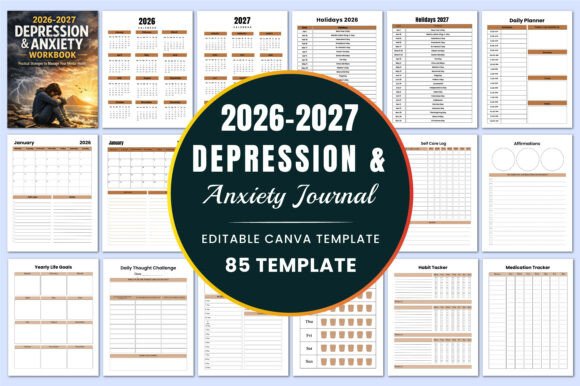
2026–2027 Depression Anxiety Workbook: A Practical Guide to Mental Wellness
The 2026–2027 Depression Anxiety Workbook is a comprehensive and thoughtfully designed resource for individuals navigating the challenges of depression and anxiety. This workbook offers a structured approach to mental wellness, combining practical tools, guided exercises, and reflective journaling to help users build resilience, manage symptoms, and regain control over their emotional well-being. Whether you're new to self-care or looking for a fresh approach to managing your mental health, this workbook provides a supportive framework to guide you through each day with intention and care.
Designed with both structure and flexibility in mind, the 2026–2027 Depression Anxiety Workbook integrates daily, weekly, and monthly planning features alongside specialized pages for mood tracking, habit formation, and symptom monitoring. These elements work together to create a personalized roadmap that empowers users to take small, consistent steps toward long-term healing and balance.
Understanding the Challenges of Depression and Anxiety
Depression and anxiety are among the most common mental health conditions worldwide, affecting millions of people every year. These disorders can manifest in various ways, including persistent sadness, excessive worry, difficulty concentrating, changes in sleep patterns, and a loss of interest in once-enjoyable activities. Without proper support and strategies, these symptoms can significantly impact daily life, relationships, and overall quality of life.
For many, traditional approaches such as therapy and medication are essential components of treatment. However, incorporating self-help tools and structured routines can also play a vital role in managing symptoms. The 2026–2027 Depression Anxiety Workbook serves as an accessible and user-friendly supplement to professional care, offering actionable insights and techniques that can be used independently or in conjunction with other treatments.
How the 2026–2027 Depression Anxiety Workbook Can Help
The 2026–2027 Depression Anxiety Workbook is more than just a collection of worksheets—it's a holistic tool that encourages mindfulness, self-reflection, and proactive management of mental health. Its carefully curated content includes:
- Mood Tracking Pages: These allow users to monitor their emotional states over time, identifying patterns and triggers that may contribute to depressive or anxious episodes.
- Habit Trackers: By setting and recording small, achievable goals—such as exercising, eating well, or practicing gratitude—users can develop healthier routines that support emotional stability.
- Symptoms Tracker: This section helps individuals recognize and document physical and emotional symptoms, making it easier to communicate with healthcare providers and adjust treatment plans accordingly.
- Thought Records: Designed to challenge negative thinking patterns, these pages encourage users to reframe unhelpful thoughts and replace them with more balanced perspectives.
- Gratitude and Affirmation Journals: Focusing on positive aspects of life and reinforcing self-worth can be powerful in countering feelings of hopelessness or fear.
Each feature of the 2026–2027 Depression Anxiety Workbook is intended to foster a sense of empowerment and progress. Users can choose which sections to engage with based on their unique needs, making the workbook adaptable to a wide range of experiences and situations.
Practical Applications and Outcomes
The 2026–2027 Depression Anxiety Workbook is particularly useful for individuals who want to integrate mental health practices into their daily lives. For example, someone struggling with chronic anxiety might use the "Daily Thought Challenge" section to identify and counteract catastrophic thinking. Meanwhile, someone dealing with depression could benefit from the "Gratitude Journal" to gradually shift their focus toward positive experiences.
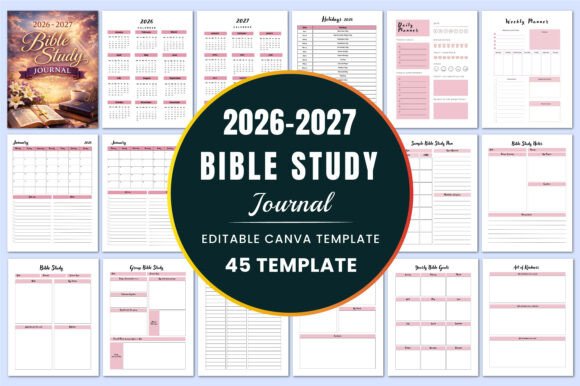
Another practical application is the inclusion of planners and calendars. With dedicated sections for 2026–2027 Calendar, 2026–2027 Holidays, Daily Planner, and Weekly Planner, users can organize their schedules in a way that promotes consistency and reduces overwhelm. These planning tools also help ensure that important tasks—such as doctor appointments, therapy sessions, and medication reminders—are not overlooked.
Additionally, the 2026–2027 Depression Anxiety Workbook includes a Sleep Tracker and Water Tracker, highlighting the importance of physical health in mental wellness. Simple habits like staying hydrated and maintaining a regular sleep schedule can have a profound impact on mood and energy levels.
Tailoring the Workbook to Individual Needs
No two mental health journeys are the same, and the 2026–2027 Depression Anxiety Workbook acknowledges this by offering a variety of exercises and reflections. Some users may find value in the Self Care Log, where they can plan and reflect on personal care activities. Others may prefer the My Manifestations page, which allows them to set intentions and visualize a healthier, happier version of themselves.
For those interested in exploring deeper emotional patterns, the Dysfunctional Thoughts Record and Reframe My Thoughts sections provide structured guidance for identifying and challenging negative beliefs. Similarly, the Behavior Tracker can be used to observe how certain behaviors affect mood and to make informed choices about lifestyle changes.
The 2026–2027 Depression Anxiety Workbook also includes a Bucket List and Goal Planner, encouraging users to set meaningful objectives and celebrate small victories along the way. Whether it's learning a new skill, reconnecting with loved ones, or simply enjoying a quiet moment of peace, these pages remind users that healing is a journey filled with possibilities.
Getting Started with the 2026–2027 Depression Anxiety Workbook
Using the 2026–2027 Depression Anxiety Workbook is simple and flexible. Begin by selecting a few pages that resonate with your current needs and commit to engaging with them regularly. It's important to approach the workbook with patience and compassion, recognizing that progress is often gradual and non-linear.
Consider setting aside a specific time each day—such as morning or evening—to review your entries and reflect on your experiences. Over time, this routine can become a valuable part of your self-care practice. If you're unsure where to start, try using the Current Situation and Activities Tracker pages to gain clarity about your current state and what actions you'd like to take next.
Remember, the 2026–2027 Depression Anxiety Workbook is not a substitute for professional mental health care but can serve as a helpful complement to ongoing treatment. If symptoms persist or worsen, it's always wise to consult with a qualified healthcare provider.
By integrating the tools and insights found in the 2026–2027 Depression Anxiety Workbook, individuals can take meaningful steps toward improved mental wellness. With its blend of structure, reflection, and encouragement, this workbook offers a compassionate and practical approach to navigating the complexities of depression and anxiety—one day at a time.