Financial Planner: Your Strategic Guide to Achieving Financial Goals
Managing your finances can feel overwhelming, especially when you're juggling multiple responsibilities like work, family, and personal goals. That's where a Financial Planner becomes an essential tool. It’s not just a simple spreadsheet or a budget tracker—it’s a comprehensive roadmap that helps you take control of your money, build wealth, and secure your future. Whether you’re aiming to pay off debt, save for a home, or plan for retirement, this guide will walk you through how a Financial Planner can help you achieve your financial aspirations with clarity and confidence.
What is a Financial Planner?
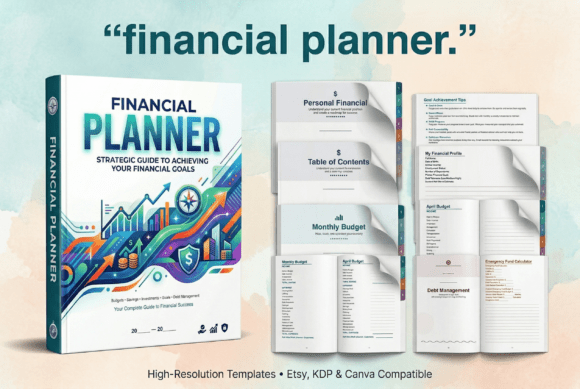
A Financial Planner is more than just a document—it’s a strategic guide designed to help you understand your current financial position, set realistic goals, and create actionable steps to reach them. Think of it as a personalized blueprint for your financial journey. It includes tools for tracking income and expenses, setting financial goals, managing debt, and planning for the future.
With sections dedicated to understanding your net worth, creating a monthly budget, and even planning for taxes, a Financial Planner offers structured frameworks that make it easier to stay on track. This isn’t just for people who are already financially stable; it’s for anyone looking to take their financial life seriously and build lasting wealth over time.
Real-World Situations Where a Financial Planner is Useful
Imagine you’re someone in your early 30s with a steady income but no clear plan for the future. You want to buy a house, start saving for retirement, and pay off student loans. A Financial Planner can help you break down these goals into manageable steps. For example, it might include a section on calculating how much you need to save each month to afford a home in five years, while also paying off debt at the same time.
Or picture a parent of two who wants to ensure their children have a secure future. They may use the Financial Planner to track education savings, insurance coverage, and long-term investment strategies. The planner could also help them assess their risk tolerance and determine how aggressively they should invest their money based on their age and financial situation.
For entrepreneurs or self-employed individuals, a Financial Planner can be especially valuable. It allows them to track irregular income streams, manage business expenses, and set aside money for taxes. With a clear overview of their financial health, they can make informed decisions about when to reinvest profits or expand their business.
How Different Users Benefit from a Financial Planner
Each person has unique financial needs, and a Financial Planner can be tailored to fit those needs. Let’s look at a few different scenarios:
- Young Professionals: Someone starting out in their career may use the planner to set up emergency funds, manage student loan payments, and begin investing in retirement accounts. The planner’s expense tracker can help them identify unnecessary spending and redirect that money toward savings.
- Families: A family with children might focus on building an education fund, securing life insurance, and planning for major purchases like a car or home. The planner’s goal-setting section can help them prioritize which milestones to tackle first.
- Retirees: Older adults may use the planner to optimize their investment portfolios, manage healthcare costs, and ensure their savings last throughout retirement. It can also help them evaluate whether they’re on track to meet their long-term financial goals.
- Entrepreneurs: Business owners can use the planner to separate personal and business finances, track cash flow, and prepare for tax season. It can also help them develop contingency plans for unexpected expenses or market fluctuations.
No matter your situation, a Financial Planner gives you the tools you need to make smart financial decisions and avoid common pitfalls like overspending or under-saving.
Practical Examples of Using a Financial Planner
Let’s say you want to pay off $15,000 in credit card debt within two years. Using the Financial Planner, you can calculate how much you need to pay each month to achieve that goal. You might discover that by cutting back on dining out and entertainment expenses, you can allocate more money toward debt repayment.
Another example: If you’re saving for a down payment on a house, the planner can help you track your progress over time. You can set a target amount, such as $50,000, and the net worth tracker will show you how close you are to reaching that goal. Along the way, you might adjust your budget or increase your income to speed things up.
For someone interested in investing, the planner can provide guidance on diversifying their portfolio. It might suggest allocating a certain percentage of your savings to stocks, bonds, or real estate based on your risk tolerance and financial goals.
Considerations Before Using a Financial Planner
Before diving into a Financial Planner, it’s important to consider a few key factors. First, you’ll need to gather all your financial information, including bank statements, bills, and investment accounts. This will give you a clear picture of your current financial standing.
You should also think about your short-term and long-term goals. What do you want to achieve in the next year? In five years? In ten years? Answering these questions will help you set realistic targets and create a plan that works for you.
It’s also wise to consult with a financial advisor if you’re unsure about certain aspects of your financial strategy. While a Financial Planner provides valuable tools, it’s not a substitute for professional advice in complex situations.
Finally, remember that a Financial Planner is only as effective as your commitment to using it. Regularly updating your planner and reviewing your progress is essential to staying on track.
Strengths and Limitations of a Financial Planner
The biggest strength of a Financial Planner is its ability to simplify complex financial decisions. It provides structure, clarity, and accountability—three things that are often missing when trying to manage your finances on your own.
However, there are some limitations to consider. A Financial Planner is a static document, so it requires regular updates to remain accurate. Additionally, while it can offer general guidance, it may not account for highly specific or unique financial situations that require expert input.
Despite these limitations, the benefits of using a Financial Planner far outweigh the drawbacks. It empowers you to take control of your financial future and makes it easier to achieve your goals—one step at a time.