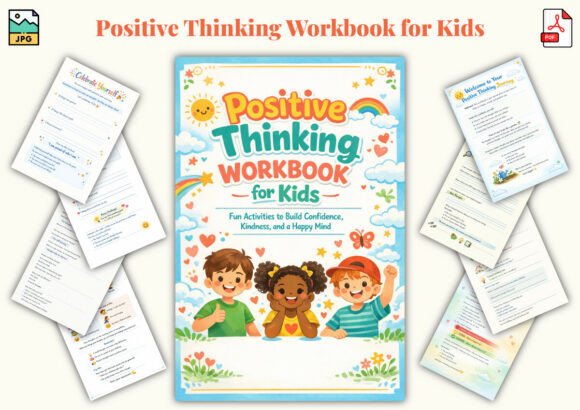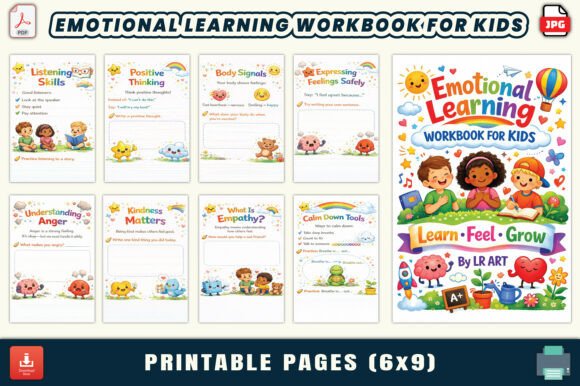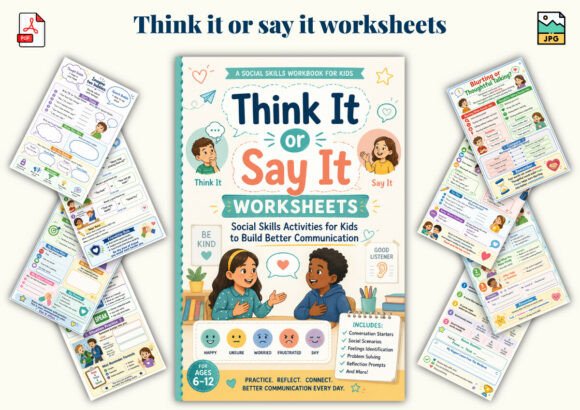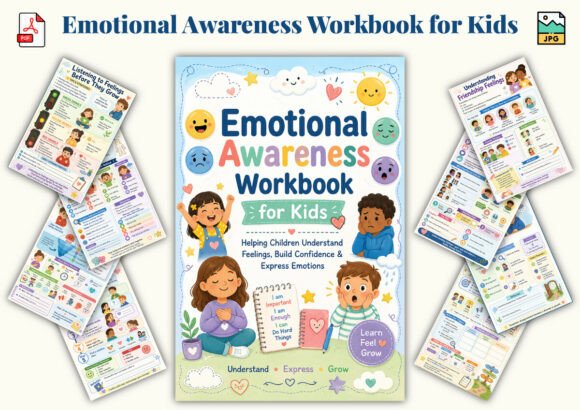
Emotional Awareness Workbook for Kids – A Strategic Tool for Building Emotional Intelligence
Emotional Awareness Workbook for Kids is more than just a collection of activities—it's a strategic resource designed to help children develop the emotional intelligence necessary to navigate life’s challenges. In an era where social-emotional learning (SEL) is increasingly recognized as a critical component of education and personal development, this 31-page printable workbook offers a structured, practical approach to teaching kids how to recognize, express, and manage their emotions. Whether you're a parent, educator, or caregiver, integrating this tool into your routine can support long-term goals related to child development, communication, and emotional resilience.
The Emotional Awareness Workbook for Kids combines educational content with interactive worksheets, reflection prompts, and guided activities that are both engaging and age-appropriate. Its design emphasizes gentle, child-friendly language and visuals, making it accessible for young learners while still being valuable for adults seeking to foster emotional growth in children. This workbook is not just about identifying feelings—it's about building a foundation for lifelong emotional skills that can influence decision-making, relationships, and overall well-being.
Strategic Use Cases for Emotional Awareness Workbook for Kids
When considering the use of Emotional Awareness Workbook for Kids, it's important to align its application with specific goals. For instance, if your objective is to improve a child's ability to manage frustration, the workbook's coping strategies and self-regulation exercises can be strategically integrated into daily routines. Similarly, if the goal is to enhance empathy and social skills, the friendship and empathy activities provide targeted opportunities for practice and reflection.
This workbook can be particularly useful during transitions such as starting school, moving to a new environment, or dealing with changes in family dynamics. By using it consistently, caregivers can create a structured framework that supports emotional growth in alignment with broader developmental milestones. The inclusion of checklists and action plans allows for measurable progress tracking, which is essential for any strategic planning process.
Moreover, the workbook can be incorporated into broader educational or parenting strategies. For example, educators might use it as a supplement to classroom lessons on SEL, while parents could integrate it into bedtime routines or after-school activities. Its flexibility makes it a valuable addition to any toolkit focused on child development and emotional health.
Planning and Implementation: Key Considerations
Before relying on Emotional Awareness Workbook for Kids, it's crucial to consider the context in which it will be used. Factors such as the child's age, developmental stage, and individual needs should inform how the workbook is approached. For younger children, focusing on basic emotion identification and expression may be most effective, while older kids can benefit from more advanced problem-solving and reflection exercises.
Additionally, it's important to set clear intentions for using the workbook. Are you aiming to build confidence? Improve communication skills? Enhance self-awareness? Aligning each activity with these goals ensures that the workbook serves a purpose beyond mere entertainment. It also helps avoid the risk of using it randomly without a strategic plan, which can lead to inconsistent results or missed opportunities for growth.
One practical approach is to incorporate the workbook into weekly routines, dedicating specific time slots for its use. This consistency reinforces learning and helps establish habits around emotional awareness. Pairing workbook activities with real-life situations—such as discussing a difficult moment at school or practicing deep breathing before a stressful event—can further enhance its effectiveness.
Maximizing Outcomes Through Intentional Use
To maximize the outcomes of using Emotional Awareness Workbook for Kids, it's essential to approach it with intentionality. This means selecting activities that directly support current goals and avoiding those that don't align with them. For example, if the goal is to build confidence, focus on worksheets that encourage positive self-talk and self-expression. If the aim is to improve empathy, prioritize activities that involve perspective-taking and understanding others' feelings.
Another key consideration is the role of the adult in guiding the child through the workbook. Active participation, rather than passive completion, leads to better engagement and deeper learning. Asking open-ended questions, encouraging reflection, and modeling emotional regulation can significantly enhance the impact of the workbook.
It's also worth noting that the workbook includes high-resolution JPG files and a ready-to-print PDF, making it easy to integrate into various environments. Whether printed for home use or shared digitally, the format options ensure accessibility and convenience, supporting consistent use over time.
Risks of Using Without Clear Goals or Context
While Emotional Awareness Workbook for Kids is a powerful tool, using it without clear goals or context can limit its effectiveness. Without a strategic framework, the activities may feel disconnected or lack direction, leading to minimal impact on the child's emotional development. Additionally, failing to consider the child's individual needs and preferences can result in disengagement or resistance.
There's also a risk of over-reliance on the workbook without complementing it with other forms of emotional learning. While the workbook provides a solid foundation, it should be part of a broader approach that includes modeling, conversation, and real-world practice. Balancing structured activities with unstructured emotional exploration ensures a well-rounded development experience.
Finally, using the workbook without regular review and adjustment can prevent the identification of areas where the child may need additional support. Periodically assessing progress and adapting the approach based on feedback and observations is essential for achieving long-term results.
Conclusion: A Thoughtful Investment in Emotional Growth
Emotional Awareness Workbook for Kids is a valuable resource that, when used strategically, can contribute significantly to a child's emotional development. By aligning its use with clear goals, considering the child's unique needs, and integrating it into a broader emotional learning framework, caregivers can maximize its potential. Whether the objective is to build confidence, improve communication, or enhance empathy, this workbook offers a practical, structured approach to fostering emotional intelligence.
Ultimately, the success of Emotional Awareness Workbook for Kids depends on how thoughtfully it is implemented. With intentional planning, active engagement, and a focus on long-term outcomes, it can become an essential tool in supporting children's emotional growth and preparing them for future challenges.