Positive Thinking Workbook for Kids: A Guide to Building Confidence and Emotional Awareness
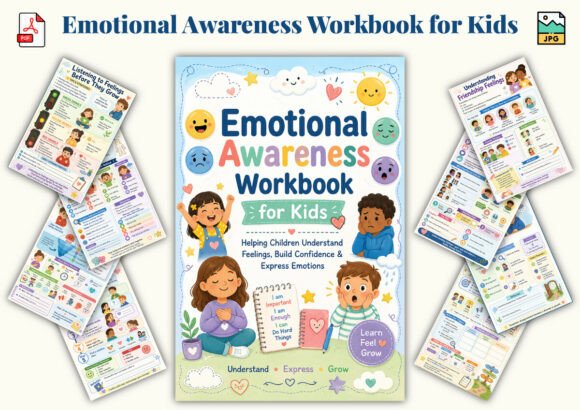
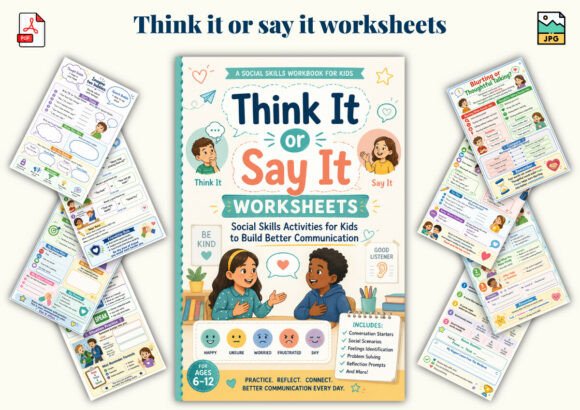
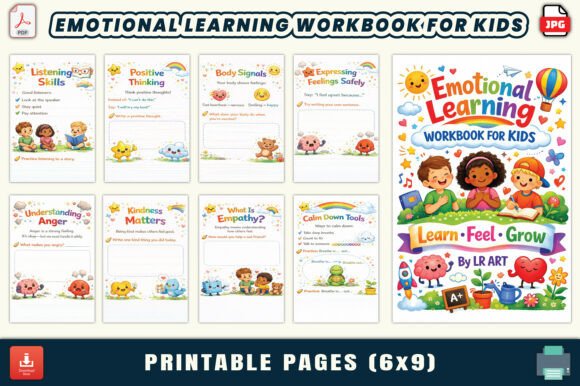
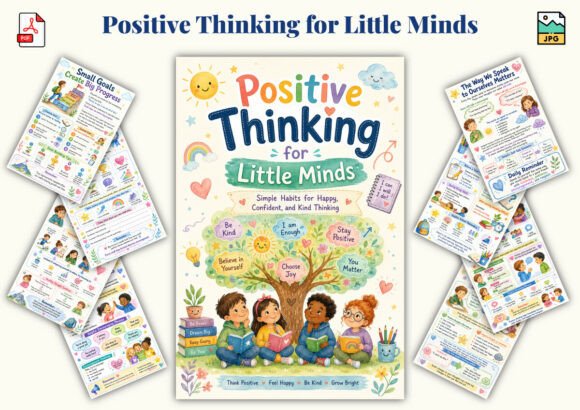
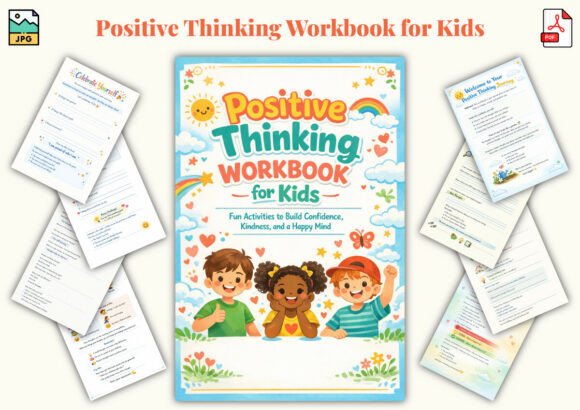
The Positive Thinking Workbook for Kids is an educational resource designed to help children develop a strong, positive mindset through engaging and interactive activities. This 26-page workbook combines fun exercises with practical lessons that encourage emotional awareness, self-confidence, and healthy thinking habits. It is structured in a cheerful and motivational style that makes learning about positive thinking both accessible and enjoyable for young minds.
Parents, educators, and caregivers who are looking for tools to support their children's emotional development may find this workbook particularly useful. It offers a structured approach to teaching kids how to manage their emotions, build confidence, and cultivate a more positive outlook on life. The content is carefully curated to be age-appropriate and easy to understand, making it suitable for children of various ages and developmental stages.
What the Workbook Offers
The Positive Thinking Workbook for Kids includes a variety of activities and exercises aimed at helping children recognize and change negative thought patterns. Some of the key features include:
- Engaging worksheets that encourage reflection and self-expression.
- Confidence-building prompts that help kids identify their strengths and achievements.
- Emotional awareness tools that teach children how to name and manage their feelings.
- Gratitude and kindness practices that promote empathy and positive social interactions.
- Positive habit tracking pages that support the development of consistent, healthy routines.
These elements work together to create a comprehensive learning experience that supports the child’s emotional and psychological well-being. The workbook is also designed to be easy to use, with clear instructions and a clean, kid-friendly layout that keeps children engaged throughout the process.
Benefits of Using the Positive Thinking Workbook for Kids
One of the primary benefits of using the Positive Thinking Workbook for Kids is its ability to help children develop emotional resilience. Through guided exercises, children learn how to respond to challenges in a constructive way, which can lead to improved self-esteem and a greater sense of control over their emotions.
Additionally, the workbook encourages the practice of gratitude and kindness, which are essential components of a positive mindset. By focusing on these values, children can develop stronger social connections and a more compassionate outlook on the world around them.
Another advantage of this workbook is its flexibility. It can be used as a standalone resource or integrated into a broader emotional education curriculum. Parents and teachers can choose specific activities based on the child’s needs and interests, making it a versatile tool for different learning environments.
Considerations and Tradeoffs
While the Positive Thinking Workbook for Kids offers many benefits, it is important to consider whether it aligns with the child’s learning style and needs. Some children may require more personalized guidance or one-on-one interaction to fully benefit from the workbook’s exercises. In such cases, supplementing the workbook with additional resources or professional support could be beneficial.
Another consideration is the time commitment required to complete the workbook. While the activities are designed to be engaging, they may take several weeks or months to complete, depending on the child’s pace and level of interest. Parents should be prepared to dedicate time and effort to support their child through the process.
It is also worth noting that while the workbook provides a solid foundation for teaching positive thinking, it may not be sufficient for addressing deeper emotional or behavioral issues. In such cases, consulting with a mental health professional may be necessary to ensure the child receives the appropriate support.
Situations Where This Workbook Is a Strong Fit
The Positive Thinking Workbook for Kids is particularly well-suited for children who are beginning to explore their emotions and develop a sense of self-awareness. It is ideal for parents who want to introduce their children to the concept of positive thinking in a fun and supportive way. It can also be used by educators in classroom settings to reinforce emotional intelligence and social-emotional learning goals.
This workbook may also be beneficial for children who are dealing with mild anxiety, low self-esteem, or difficulty managing their emotions. The structured approach and variety of activities can help these children build the skills they need to navigate challenging situations with confidence and resilience.
Alternatives to Consider
If the Positive Thinking Workbook for Kids does not meet your child’s needs, there are other resources available that may be more suitable. For example, some children may benefit from one-on-one counseling or therapy sessions with a licensed mental health professional. These sessions can provide more personalized support and address specific emotional or behavioral concerns.
Other alternatives include online programs or apps that offer interactive lessons on positive thinking and emotional regulation. These digital tools can be especially appealing to children who enjoy technology-based learning experiences. Additionally, books, videos, and games focused on emotional intelligence can serve as complementary resources for teaching positive thinking skills.
Ultimately, the choice of resources will depend on the child’s individual needs, learning style, and the level of support available from parents or educators. It is important to evaluate different options and select the ones that best align with the child’s goals and preferences.
Final Thoughts
The Positive Thinking Workbook for Kids is a valuable tool for helping children develop a positive mindset, build confidence, and improve their emotional awareness. Its engaging activities and structured approach make it an excellent resource for parents, educators, and caregivers who are committed to supporting their child’s emotional growth.
However, it is important to consider whether this workbook is the right fit for your child’s unique needs and learning style. If you are looking for a flexible, interactive way to teach positive thinking, the Positive Thinking Workbook for Kids is definitely worth exploring. With careful planning and consistent use, it can help children develop the skills they need to thrive emotionally and socially.